Stone Sealer Restoration
Granite countertops are a stunning and durable choice for kitchens and bathrooms, but they need regular care to keep them looking their best. To maintain their natural shine and longevity, it’s important to follow proper cleaning methods.
This guide provides essential tips on how to clean granite countertops effectively and safely, ensuring their pristine appearance is preserved for years to come. By adhering to these cleaning practices, you can protect your granite surfaces and keep them looking beautiful.
What You’ll Need
For the cleaning of granite countertops you’ll need:
Equipment/Tools
- 1 to 2 microfiber cloths
- 1 Spray Bottle
- Soft Cloth or Microfiber Towel
- Sponge
- Bucket
Materials
- Mild Dish Soap
- Warm Water
- Hydrogen Peroxide
- Baking Soda
- Rubbing Alcohol
- Acidic Liquids (e.g., lemon juice, vinegar)
Best Way to Clean Granite Countertops
Granite countertops are a stunning addition to any home, known for their durability and elegant appearance. To maintain their beauty and functionality, it’s essential to clean and care for them properly. Here’s a comprehensive guide on how to clean granite countertops effectively:
1. Sealant
Why Sealant Matters
Granite is a natural stone that can be porous, meaning it has tiny holes that can absorb liquids. Applying a granite sealant helps to protect these surfaces from stains and spills. The sealant creates a barrier that repels liquids, making it easier to clean granite countertops and maintain their pristine look.

How to Apply Sealant
Choose a high-quality granite sealer and apply it according to the manufacturer’s instructions. Typically, you’ll want to apply the sealer to a clean surface and let it dry before using the countertop. Reapply the sealant every 6 to 12 months, or as needed, depending on usage and wear.
2. Heat Protection
Protecting Granite Surfaces from Heat
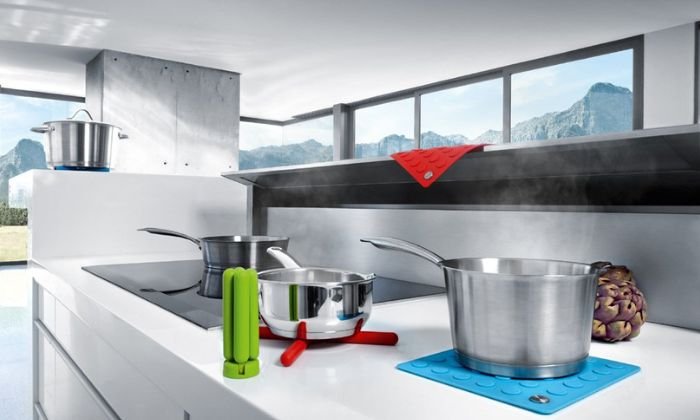
Granite is heat-resistant but not heatproof. Placing hot pots and pans directly on the granite can damage its surface over time. To avoid this, always use trivets or heat pads under hot cookware.
Why It’s Important
While granite can handle high temperatures to some extent, continuous exposure to extreme heat can cause thermal shock, potentially leading to cracks or discoloration.
3. Avoid Sharp Objects
Preventing Damage
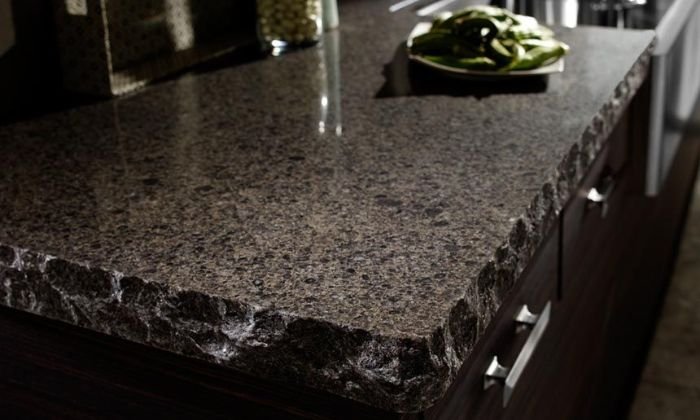
Granite countertops are durable, but they’re not impervious to damage from sharp objects. Using knives directly on the granite surface can cause scratches and dull the blades. Instead, use cutting boards to protect both your countertops and your knives.
Maintaining the Surface
By avoiding sharp objects on granite surfaces, you’ll keep your countertops looking new and prevent unnecessary wear and tear. A good cutting board is a small investment that can save your granite counters from potential damage.
4. Regular Dusting
Keeping Granite Clean
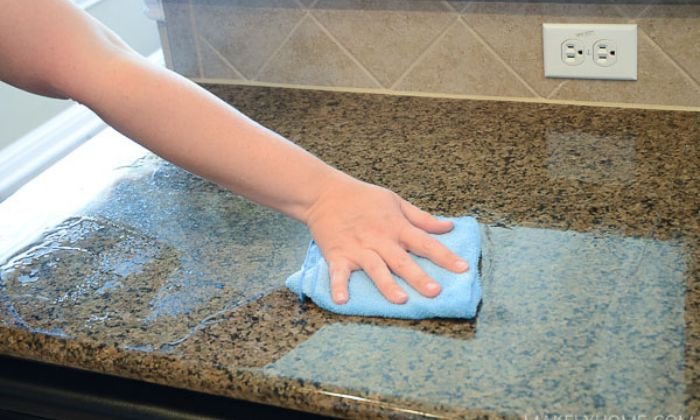
Dust and debris can scratch the surface of your granite countertops if not regularly removed. Use a soft, dry cloth to dust off the countertops frequently to prevent any buildup of particles.
Best Practices
Regular dusting helps to keep granite surfaces clean and free from potential abrasive materials. Combine this with a gentle granite cleaner for a thorough cleaning routine.
5. Stain Prevention
Dealing with Stains
Although granite is relatively stain-resistant, it’s still important to act quickly if spills occur. Avoid using acidic liquids like lemon juice or vinegar, as they can damage the stone.
Cleaning and Prevention
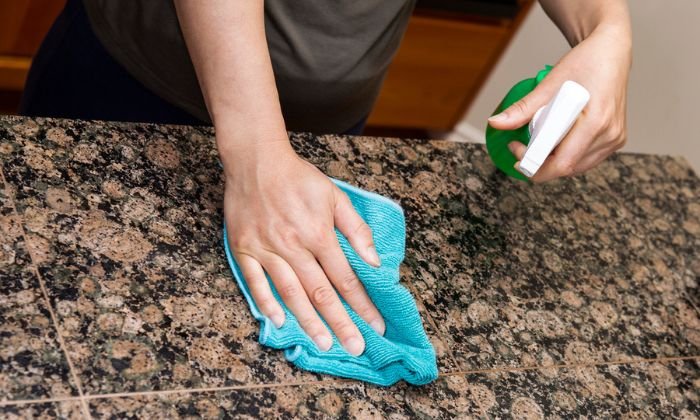
For everyday cleaning, use warm water and a mild granite cleaner or natural stone cleaning solution. Avoid harsh chemicals or abrasive cleaning products, as they can strip away the sealant and dull the surface. Blot spills immediately with a clean cloth and rinse the area with warm water.
How to Clean Granite Countertops Daily
Granite countertops are a popular choice for their durability and elegant appearance. To maintain their beauty and functionality, it’s essential to clean granite countertops daily. Here’s a detailed guide on how to do it effectively.
1. Gather Your Supplies
For cleaning granite countertops, you’ll need:
- A soft microfiber cloth or sponge
- A gentle cleaning solution (preferably pH-balanced)
- Warm water
- A clean, dry towel or cloth for drying
2. Prepare Your Cleaning Solution
When it comes to cleaning granite, using the right cleaning solutions is crucial. Avoid harsh cleaners that can damage the surface. Instead, opt for a mild dish soap mixed with warm water or a pH-balanced granite cleaner. Avoid vinegar, ammonia, or bleach as these can erode the sealant and damage the granite.
3. Wipe Down the Countertops
Dampen a microfiber cloth or sponge with the cleaning solution. Gently wipe the surface of the granite countertops, focusing on areas with spills or spots. If you’re dealing with water spots, the gentle cleaning solution will help lift them without scratching the surface. For daily cleaning, a simple swipe will suffice to remove any crumbs, spills, or smudges.
4. Rinse and Dry
After wiping down the countertops with the cleaning solution, it’s essential to rinse the surface to remove any residual soap. Use a clean cloth dampened with plain water to wipe over the granite. This step helps ensure no soap residue is left behind, which can dull the shine over time.
Immediately dry the granite countertops with a clean, dry towel or cloth. This helps prevent water spots and ensures that the surface remains shiny and streak-free. Regular drying is especially important for granite surfaces, as standing water can lead to potential damage.
5. Address Stains Promptly
If you notice any stains or sticky residues on your granite countertops, address them as soon as possible. For tougher stains, you may need to use a granite-specific stain remover. Always follow the manufacturer’s instructions and test the cleaner in an inconspicuous area first.
How to Clean Granite Countertop Stains
Granite countertops are prized for their durability and elegance, but they are not immune to stains. Whether it’s sticky spills, water marks, or tough stains, addressing them promptly will help maintain your countertop’s pristine look. Here’s a detailed guide on how to remove stains from granite countertops effectively.
Sticky Stains
Sticky stains, often caused by spilled syrups, sauces, or other sugary substances, can be challenging to clean. Here’s how to tackle them:
1. Begin by gently blotting the sticky area with a soft cloth or paper towel to remove any excess residue. Avoid rubbing, as this can spread the stain.
2. Prepare a solution of warm water and a few drops of mild dish soap. Dip a soft cloth into the solution and gently clean the stained area. For stubborn sticky stains, a dedicated granite cleaner can be more effective.
3. Rinse the area with clean water and dry thoroughly with a soft towel. This prevents water stains from forming and helps to maintain the granite’s shine.
Water Stains
Water stains on granite countertops are often the result of mineral deposits left behind by spilled water or other liquids. To remove these stains:
1. Mix baking soda with water to form a thick paste. Apply this paste to the water-stained area and let it sit for about 30 minutes.
2. Use a soft brush or cloth to gently scrub the paste into the stain. This helps to lift the mineral deposits without scratching the granite surface.
3. Rinse the area thoroughly with clean water and dry with a soft cloth. To enhance shine, you can apply a granite polish.
Tough Stains
Tough stains, including oil-based stains and other stubborn marks, require a more intensive approach. Here’s how to handle them:
1. For oil stains and other persistent stains, use a poultice made from a mixture of baking soda and water or a commercial granite poultice. Apply the poultice to the stain, cover it with plastic wrap, and let it sit for 24 to 48 hours. The poultice will draw out the stain from the granite.
2. After the poultice has dried, gently scrape it off with a plastic spatula. Clean the area with warm water and a soft cloth, then dry thoroughly.
3. If any residue remains, you can use a granite cleaner to wipe down the area. For very tough stains, consider consulting a professional for stain removers designed specifically for granite.
Tips for Preventing Granite Stains
1. Always use coasters under glasses and trivets under hot pots to prevent stains and damage.
2. Wipe up spills immediately to prevent them from soaking into the granite and causing stains.
3. Regularly sealing your granite countertops helps protect them from oil-based and other stubborn stains. Follow the manufacturer’s recommendations for the best results.
How to Make Granite Countertops Last Longer
To make granite countertops last longer, regularly clean them with a mild dish soap and warm water to prevent buildup and maintain their shine. Avoid harsh chemicals and abrasive cleaners that can damage the surface. Quickly wipe up spills, especially acidic or oily substances, to prevent staining.
Use coasters and trivets to protect against heat and heavy objects that can cause scratches. Periodically apply a granite sealer to protect the surface from stains and maintain its durability. Additionally, avoid placing hot pots directly on the countertop and always use cutting boards to preserve the granite’s integrity.
Why Stone Sealer is the best choice to clean granite countertops
Stone Sealer stands out as the best choice for cleaning granite countertops due to its specialized formula designed to effectively remove stains and grime while preserving the stone’s natural shine. Its non-abrasive properties ensure that the granite remains scratch-free, while its advanced ingredients offer superior protection against future stains and spills. Stone Sealer’s ease of application and long-lasting results make it a reliable option for maintaining the pristine look of granite surfaces, ensuring they remain both beautiful and durable over time.
Conclusion
Maintaining granite countertops involves a combination of daily care and preventative measures to ensure their longevity and beauty. Start by using appropriate equipment and materials for cleaning and protecting the surface, such as sealants and heat protection. Avoid sharp objects and practice regular dusting to prevent scratches and build-up.
Address stains promptly with specific techniques for sticky, water, and tough stains to keep your countertops looking pristine. By following these cleaning guidelines and implementing preventive measures, you can enhance the durability and appearance of your granite countertops, making them a lasting and elegant feature in your home.